
The Beauty of Traditional Textiles
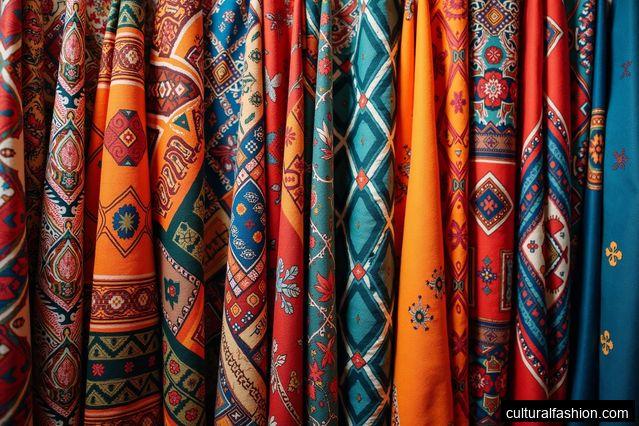
Traditional textiles hold a special place in the cultural identity of communities worldwide. Each region has its own unique textile traditions, showcasing the creativity, craftsmanship, and history of its people. These textiles are not just pieces of fabric; they are a testament to the cultural heritage and traditions that have been passed down through generations.
Preserving Craftsmanship
In a world dominated by mass-produced clothing, traditional textiles are a reminder of the importance of preserving craftsmanship. Many traditional textile techniques require meticulous handwork and take years to master. By celebrating and supporting traditional textiles, we contribute to the preservation of these ancient techniques and the livelihoods of artisans who continue to practice them.
Textile Traditions Around the World
Every corner of the globe has its own unique textile traditions, each telling a story of cultural heritage and local customs. From the intricate embroidery of India's sarees to the vibrant batik prints of Indonesia, traditional textiles offer a glimpse into the rich tapestry of global cultures.
Asia: A Kaleidoscope of Textiles
Asia is a treasure trove of traditional textiles. From the delicate silk brocades of China to the intricately woven ikat fabrics of Central Asia, each region showcases its own unique textile traditions. The use of natural dyes and traditional weaving techniques adds to the charm and authenticity of these textiles.
Reviving Traditional Textiles in the Modern World
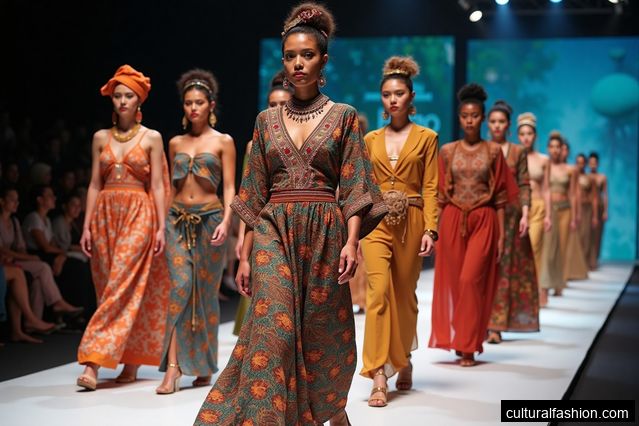
While traditional textiles have deep historical roots, they are far from being relics of the past. Today, designers and artisans are finding innovative ways to incorporate traditional textiles into modern fashion, creating a fusion of old and new. This not only helps to keep these traditions alive but also promotes sustainable fashion practices and supports local economies.
Empowering Communities
By embracing traditional textiles, we empower communities and foster cultural pride. Supporting local artisans and designers who work with traditional textiles ensures that these traditions continue to thrive. Moreover, it provides economic opportunities for communities, preserving their cultural heritage while creating sustainable livelihoods.
Preserving Traditional Textiles for Future Generations
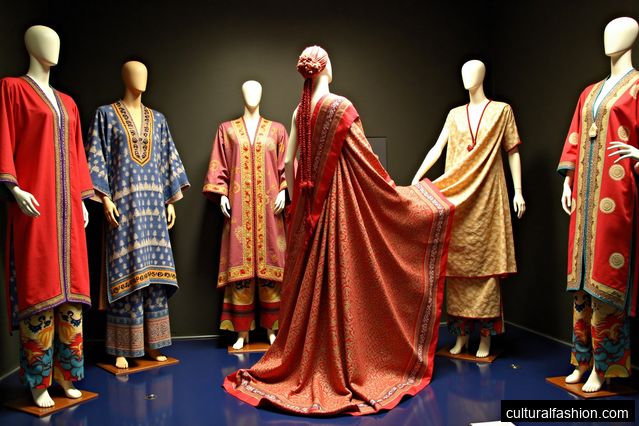
As we celebrate traditional textiles, it is crucial to consider their preservation for future generations. Education and awareness play a significant role in ensuring the continuity of these textile traditions. By sharing knowledge and promoting cultural exchange, we can inspire a new generation of artisans and enthusiasts to appreciate and carry forward the legacy of traditional textiles.
Embracing the Richness of Tradition
Traditional textiles are not just fabrics; they are an embodiment of culture, history, and artistry. As we celebrate and showcase these textiles, we embrace the richness of tradition and contribute to the preservation of global cultural heritage. Let us cherish the beauty and diversity of traditional textiles, appreciating the stories they tell and the connections they forge between people and communities.