

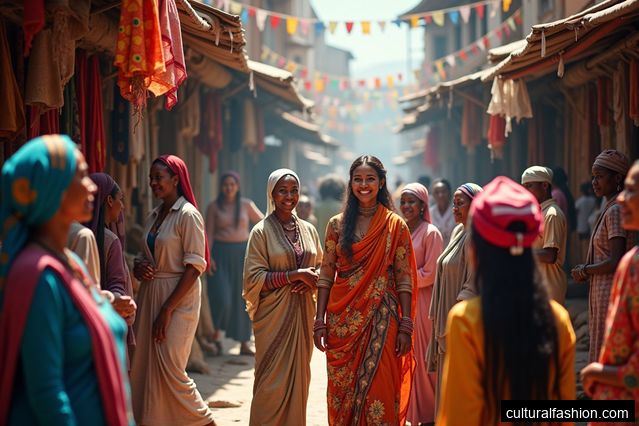
The Significance of Heritage Preservation
Fashion is not merely a form of self-expression but a reflection of cultural identity and history. Throughout the years, many fashion traditions have been lost or overshadowed by globalization and fast fashion. However, there is a growing movement to revive these lost traditions and preserve cultural heritage. Heritage preservation plays a crucial role in maintaining cultural diversity, promoting sustainability, and fostering a sense of pride and identity among communities.
Preserving Craftsmanship and Skills
Reviving lost fashion traditions involves rediscovering and preserving the craftsmanship and skills that have been passed down through generations. From intricate embroidery techniques to weaving patterns, these skills hold significant historical and cultural value. By preserving these techniques, we ensure that future generations can continue to appreciate and learn from them.
Safeguarding Cultural Identity
Fashion is an integral part of cultural identity. Traditional clothing and accessories reflect the unique customs, beliefs, and values of a community. When these traditions fade away, a part of a culture's identity is lost. By reviving and celebrating these fashion traditions, we honor the diversity and richness of different cultures, allowing individuals to connect with their roots and preserve their heritage.
Empowering Communities
Reviving lost fashion traditions can have a profound impact on communities. It provides opportunities for artisans and craftsmen to showcase their skills and earn a sustainable income. By supporting local artisans, we empower communities and contribute to the preservation of traditional knowledge and skills. Additionally, the revival of fashion traditions can boost tourism and create cultural exchange platforms, further strengthening community bonds.
Promoting Sustainability
In the era of fast fashion and mass production, reviving lost fashion traditions offers a sustainable alternative. Traditional fashion practices often utilize locally sourced materials and employ eco-friendly production methods. By embracing these traditions, we can reduce our carbon footprint and promote ethical fashion choices. Moreover, reviving lost fashion traditions encourages a slower and more mindful approach to fashion consumption, fostering a sustainable and conscious fashion industry.
Collaborating for Change
Reviving lost fashion traditions requires collaboration among designers, artisans, researchers, and consumers. Designers can draw inspiration from traditional techniques and incorporate them into contemporary designs, creating a fusion of old and new. Artisans and craftsmen can pass down their knowledge to younger generations and find new markets for their products. Researchers can document and study these traditions, ensuring their preservation. Finally, consumers can support sustainable fashion brands that value heritage preservation and promote conscious consumption.